
Mental Fatigue & Brain Fog
When thinking feels slower, focus drifts, and mental clarity never quite returns.
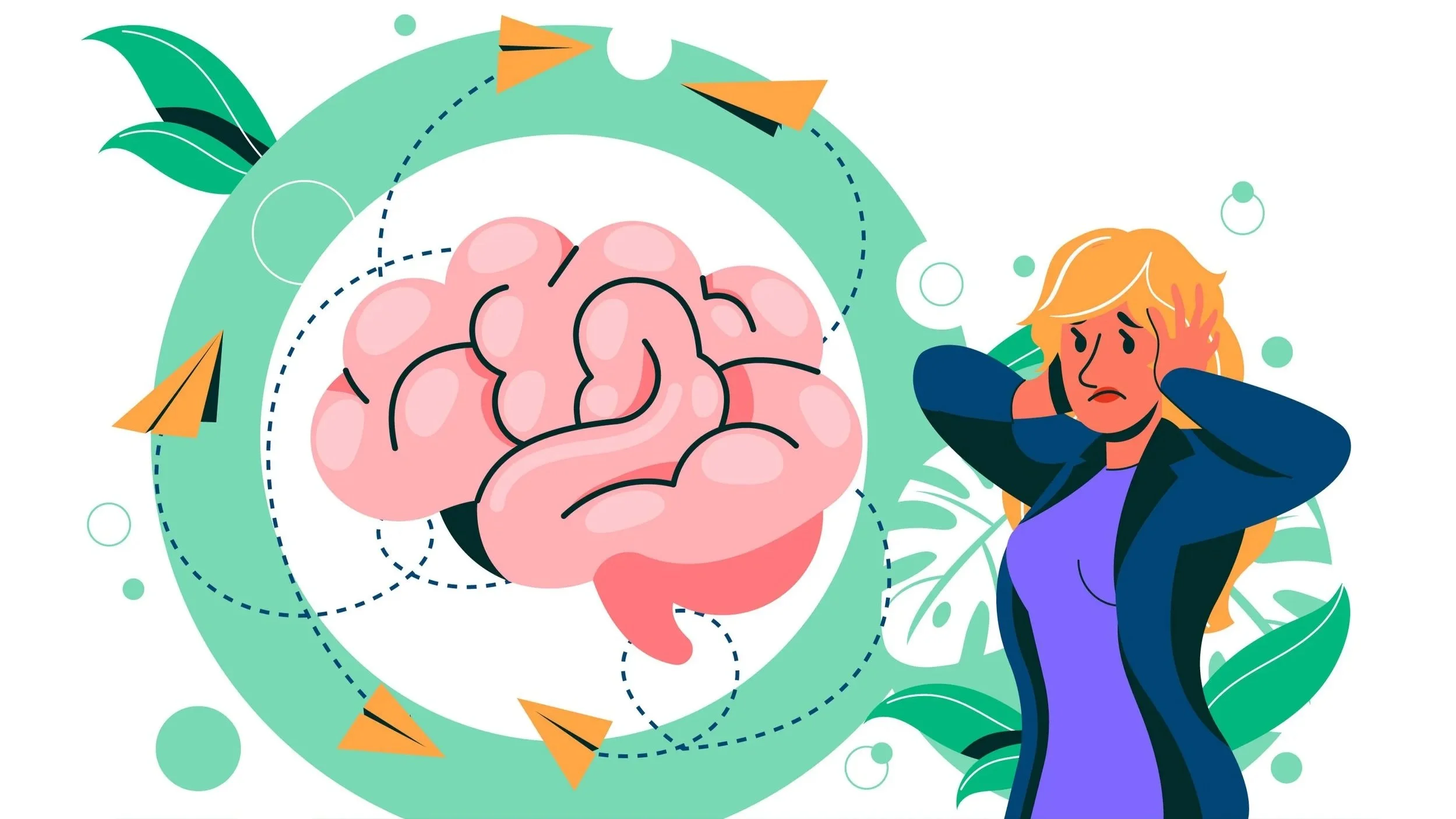
Mental fatigue and brain fog are often difficult to describe. Many people report feeling mentally slowed, unfocused, or disconnected, even though they are still functioning day to day. Tasks that once felt straightforward may now require more effort, concentration feels fragile, and thinking can feel cloudy rather than sharp.
This state is not simply tiredness. Brain fog often reflects how the brain and nervous system are responding to ongoing demands, limited recovery, or underlying stress on the body.

20 minutes. Personalised. Expert-led.
What is mental fatigue and brain fog?
Mental fatigue refers to a reduction in cognitive stamina, while brain fog describes the subjective experience of slowed thinking, reduced clarity, and difficulty concentrating. Together, they often reflect how the brain is coping with prolonged demand and insufficient recovery.
Rather than a single condition, brain fog is a signal that the systems supporting cognitive function are under strain.
Why mental clarity declines
Mental performance depends on adequate sleep, oxygen delivery, blood flow, nervous system regulation, and metabolic support. When one or more of these factors is compromised, cognitive efficiency can drop.
Stress, poor sleep quality, illness, inflammation, and sustained mental load can all contribute. Over time, the brain prioritises basic function over sharpness, resulting in slower processing and reduced focus.
Why rest doesn’t always clear brain fog
While rest is important, mental clarity does not always return automatically with time off. If circulation, oxygenation, or nervous system balance remain impaired, the brain may continue operating below its optimal level.
This can leave people feeling mentally flat or foggy even after sleep, holidays, or reduced workload, which is often frustrating and confusing.
The impact of ongoing mental fatigue
Persistent brain fog can affect productivity, confidence, and emotional resilience. People may feel less decisive, more irritable, or mentally drained by tasks that once felt manageable.
Over time, this can reinforce stress and self-doubt, further reducing cognitive performance and recovery.

Supporting mental clarity and recovery
Improving mental clarity often involves supporting the systems that allow the brain to recover and function efficiently. This includes nervous system regulation, circulation, oxygen delivery, and adequate recovery between periods of demand.
When these factors improve, mental sharpness often returns gradually and sustainably.
What you gain from a consultation
A consultation is a structured conversation designed to understand how mental fatigue and brain fog are showing up for you and what may be limiting cognitive recovery. We start by listening carefully to your symptoms, daily demands, sleep patterns, and energy fluctuations.
From there, we help make sense of what’s happening physiologically and identify the key factors affecting mental clarity. The aim is to create a clear, practical way forward that helps thinking feel sharper, lighter, and more reliable over time.
Clients often say the most valuable part of the consultation is finally understanding why their thinking feels different and having a sensible plan that genuinely helps them feel mentally clearer.
20 minutes. Personalised. Expert-led.
