
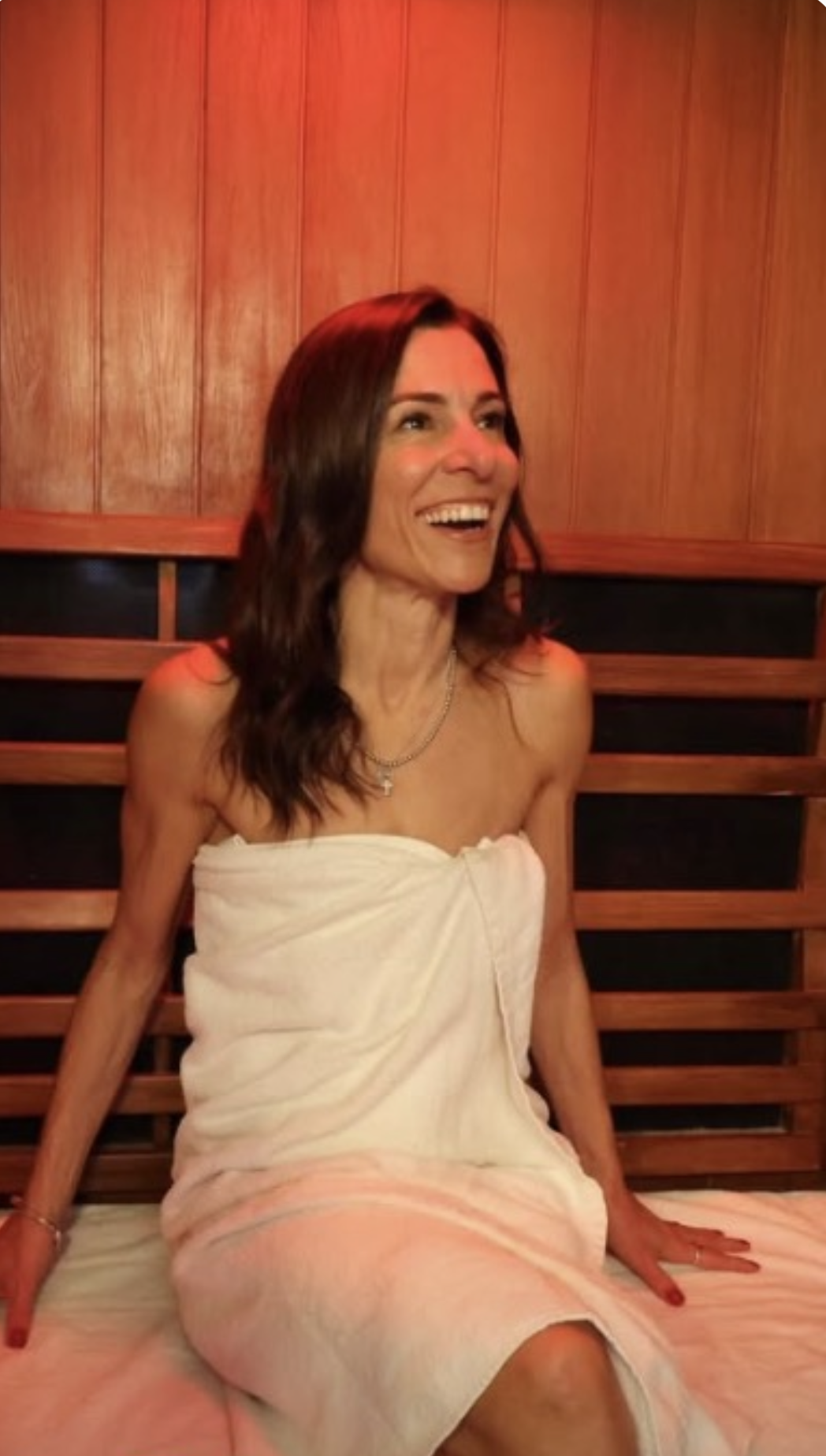

Missing your usual run, walk or class after an injury? Start with your goals, existing recovery plan and a suitability conversation at LondonCryo.
Read More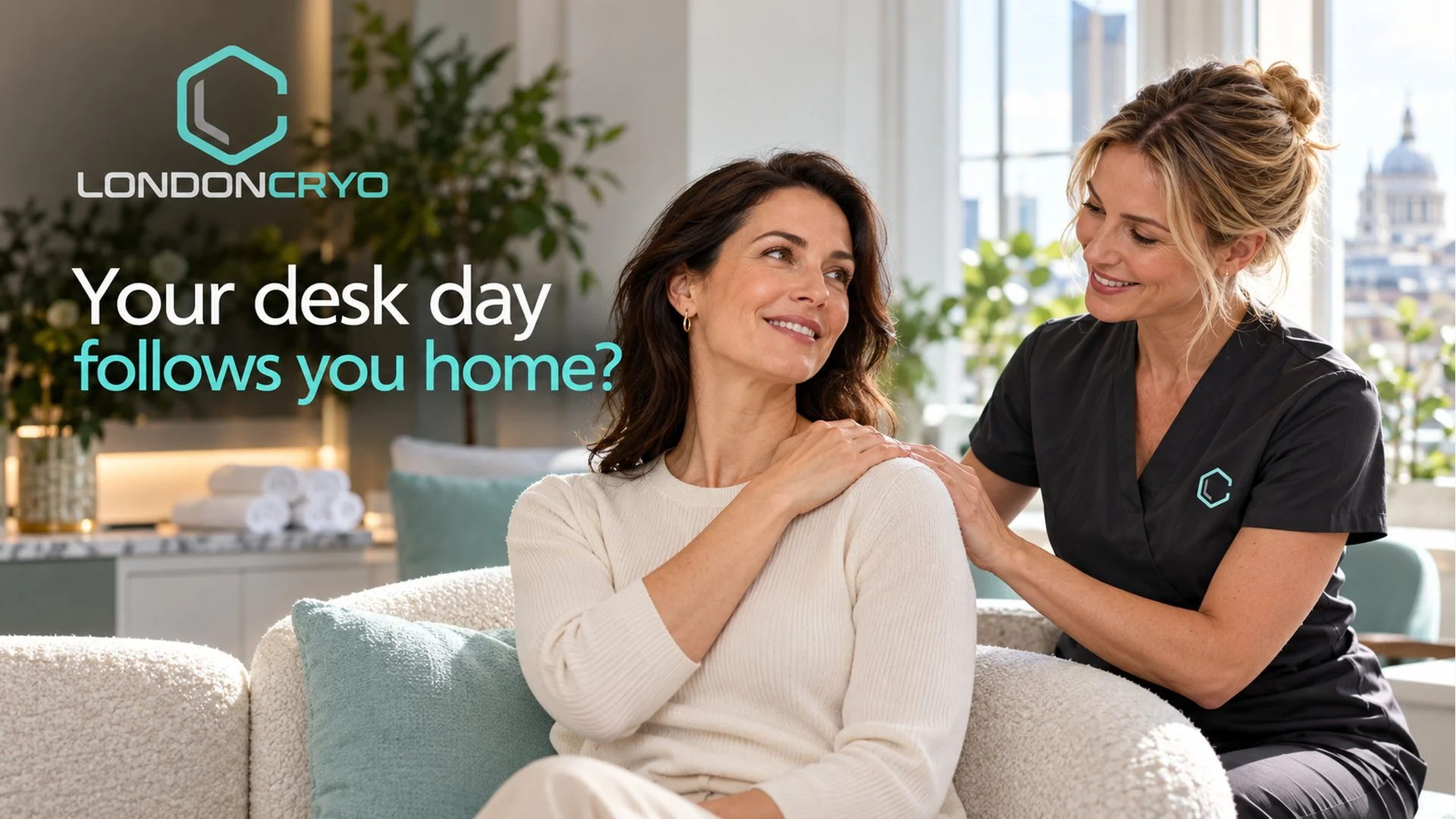
You close the laptop, but your back and neck are still on your mind. Explore practical next steps, massage suitability and a conversation with LondonCryo.
Read More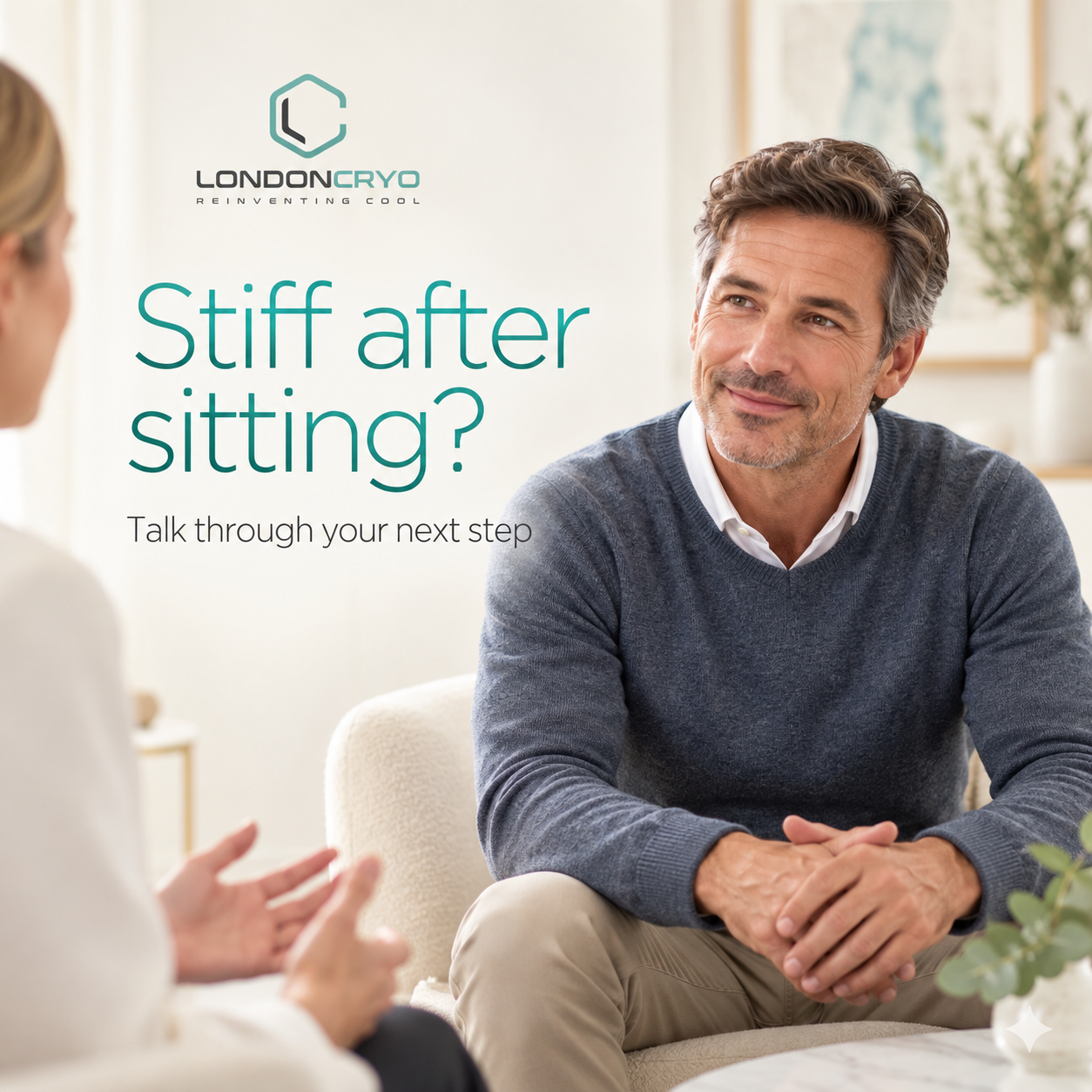
Stiff after sitting, cautious on stairs or moving less than usual? Learn when joint symptoms need assessment, why movement remains important and how new clients can explore suitable LondonCryo recovery support for £99.
Read More
Eating well and exercising but still feeling stiff, tired or slow to recover? Learn what “feeling inflamed” can mean, when to speak to your GP, and how LondonCryo’s structured £249 starting point may help you stop guessing.
Read More
Bloating and fluid-related puffiness can feel similar, but they are not always the same. Learn when gentle lymphatic drainage may be relevant, what it cannot fix and when medical advice should come first.
Read More
Workplace stress cannot be solved with another app or one-off perk. Here is what UK employers should address first and where a tailored LondonCryo wellbeing experience may fit.
Read More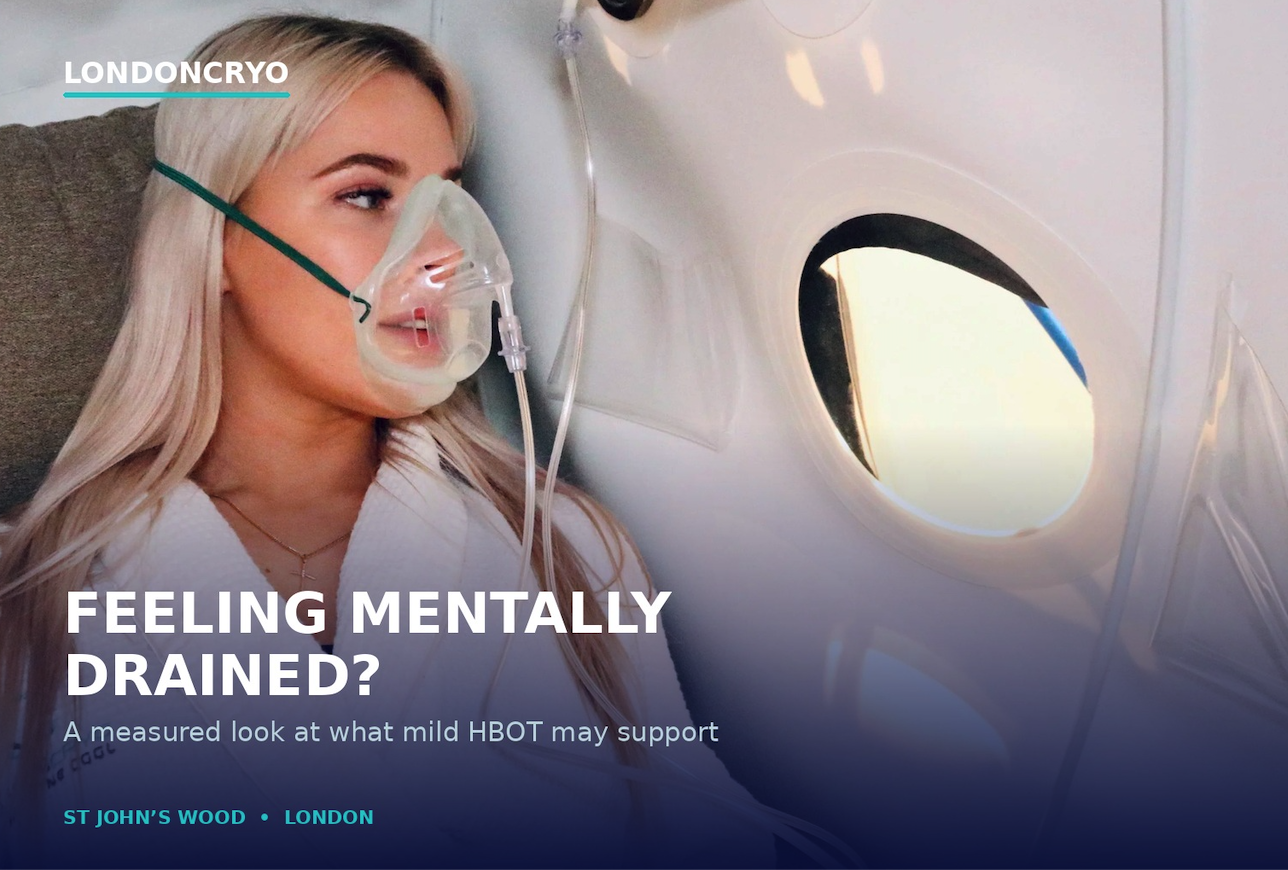
Feeling mentally drained or less clear than usual? Discover what mild HBOT may support, why one isolated session may not be the full answer, and how to begin a more personalised LondonCryo plan.
Read More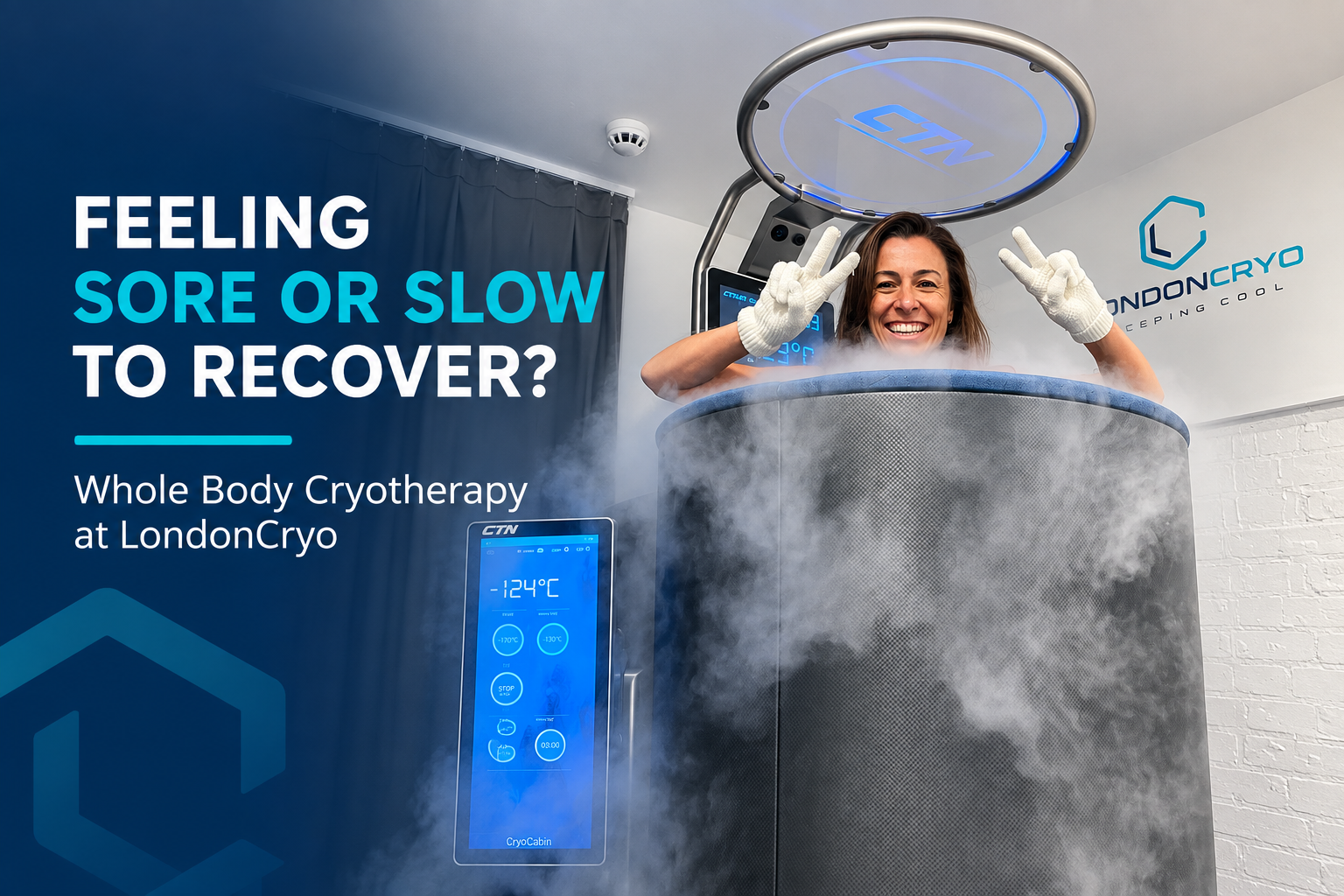
Feeling sore, heavy or slow to recover after exercise? Discover how whole-body cryotherapy may support your recovery routine and what to expect from your first two-minute LondonCryo session in St John’s Wood.
Read More
Looking tired even when you are doing your best to look after yourself? Discover the Glow Getter IV at LondonCryo and when a CryoFacial or Body Ballancer may complement your wellness visit.
Read More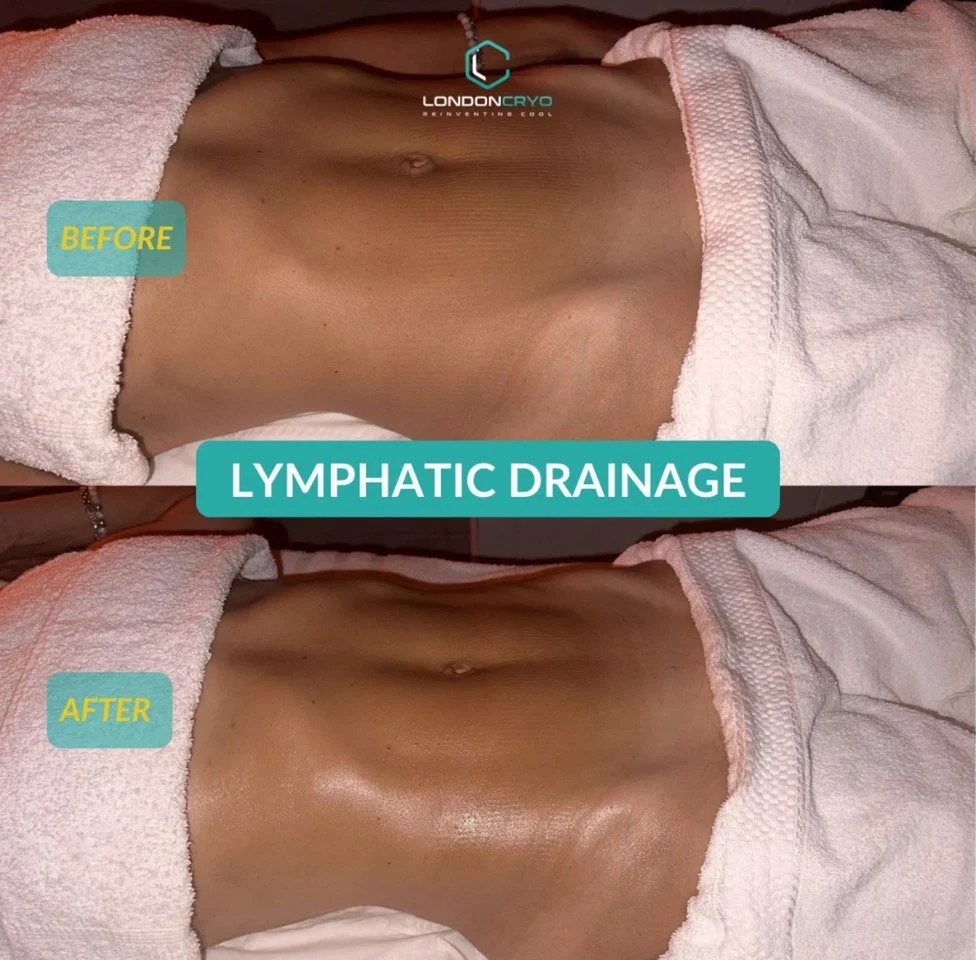
Read MoreHow often should you book lymphatic drainage massage? Discover suitable schedules for puffiness, travel, regular wellbeing and post-operative support at LondonCryo St John’s Wood.
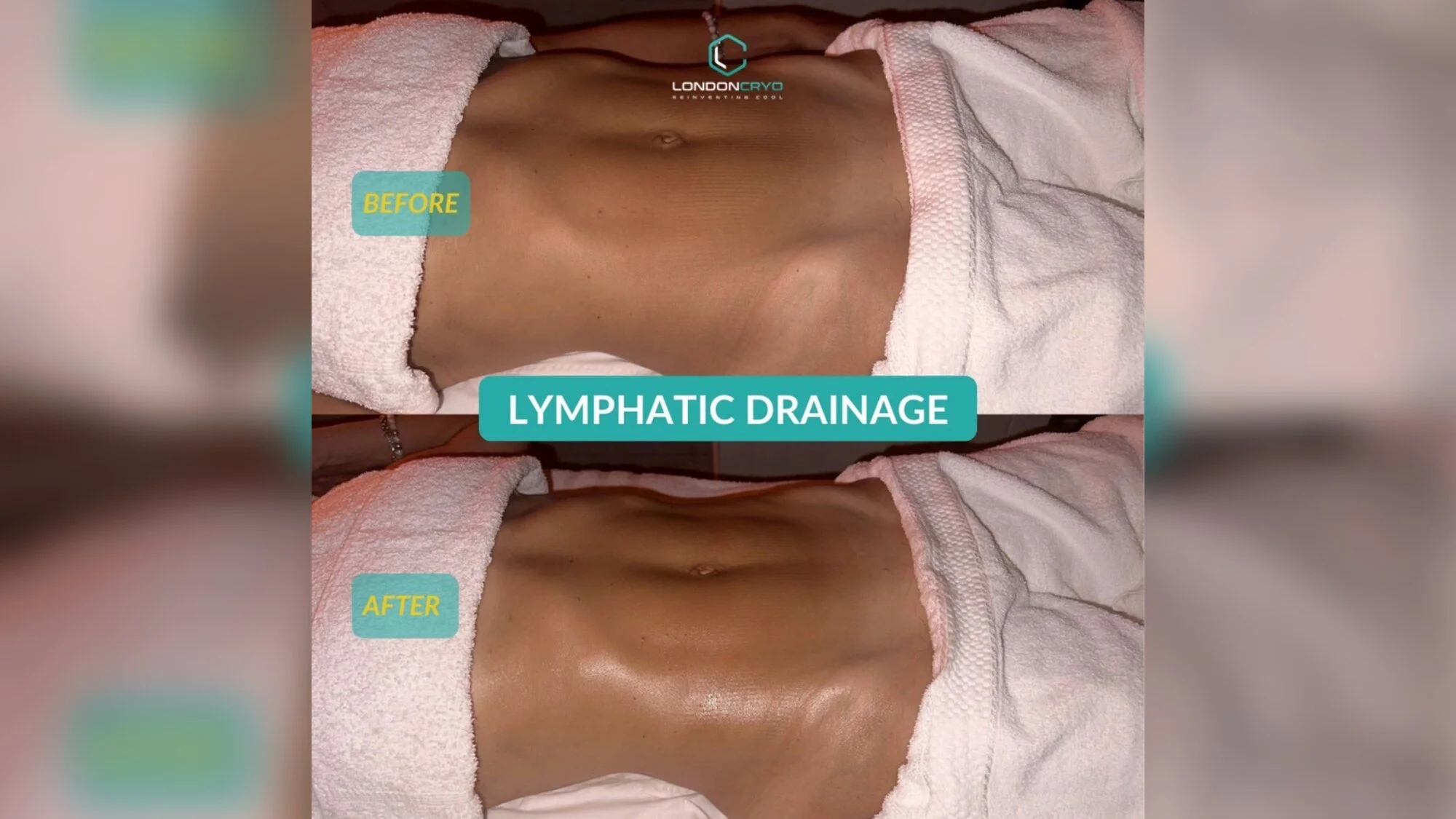
Discover what happens during a lymphatic drainage massage at LondonCryo, including how the treatment works, its benefits for swelling, fluid retention and recovery, and what to expect before and after your session.
Read More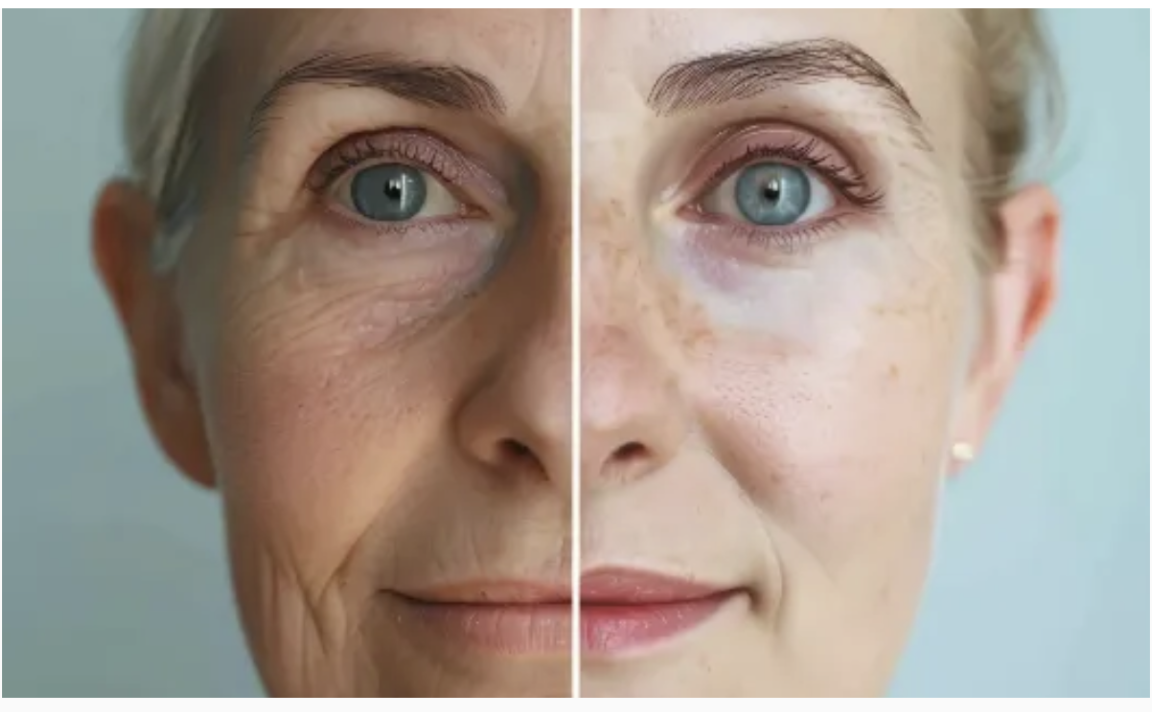
Read MoreOur Cryofacial isn't just a surface treatment; it's a manual reset for your lymphatic system. By combining cold therapy with targeted movements, we flush the 'stagnant' fluid that causes morning puffiness."
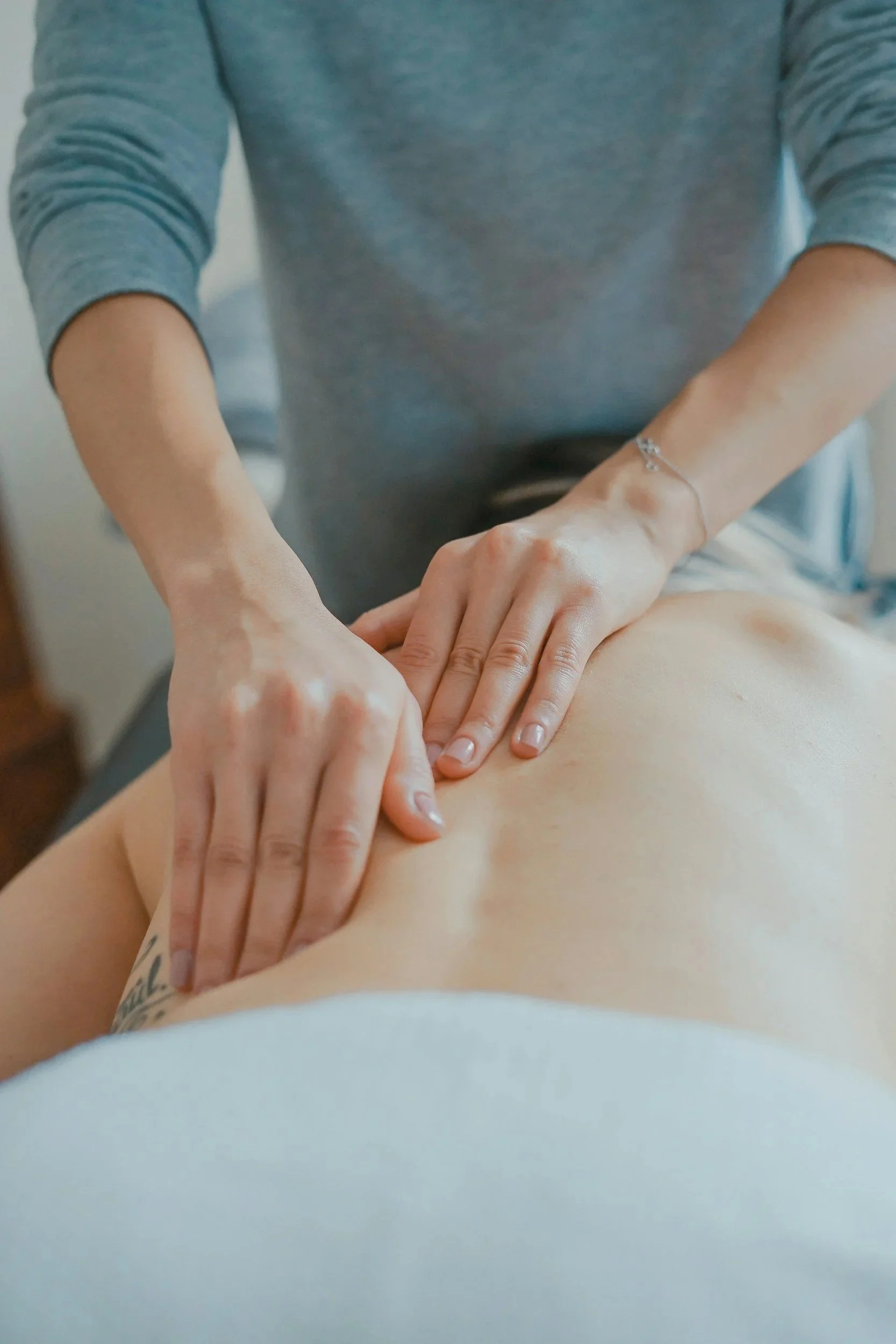
Recovering from cosmetic surgery can come with swelling, tightness, bruising and fluid retention that temporarily hides your results. Discover how post-operative lymphatic drainage at LondonCryo supports comfort-focused recovery with personalised treatments designed for swelling, puffiness and post-surgery wellbeing.
Read More