
Anxiety & Nervous System Overload
When your system feels constantly on edge and it’s hard to fully switch off.
Anxiety is often described as a mental state, but for many people it is experienced just as strongly in the body. A persistent sense of tension, restlessness, shallow breathing, or feeling “on edge” can remain even when there is no obvious threat or reason.
Over time, this can make it difficult to relax, sleep deeply, concentrate, or recover properly. Many people try to manage anxiety through willpower or distraction, without realising that their nervous system may be stuck in a prolonged state of alert.

20 minutes. Personalised. Expert-led.
What is anxiety from a nervous system perspective?
Anxiety often reflects how the nervous system is functioning rather than a single external cause. When the nervous system remains in a heightened state, the body stays primed for action, even when it is safe to rest.
This prolonged activation can affect breathing, heart rate, muscle tension, digestion, and sleep. Rather than switching smoothly between alertness and relaxation, the system becomes biased toward vigilance.
What nervous system overload means
Nervous system overload occurs when demands consistently outweigh recovery. This may be driven by stress, poor sleep, illness, emotional strain, overstimulation, or long periods without genuine rest.
When overload persists, the body adapts by staying alert. This can feel like anxiety, irritability, racing thoughts, or an inability to settle, even during quiet moments.
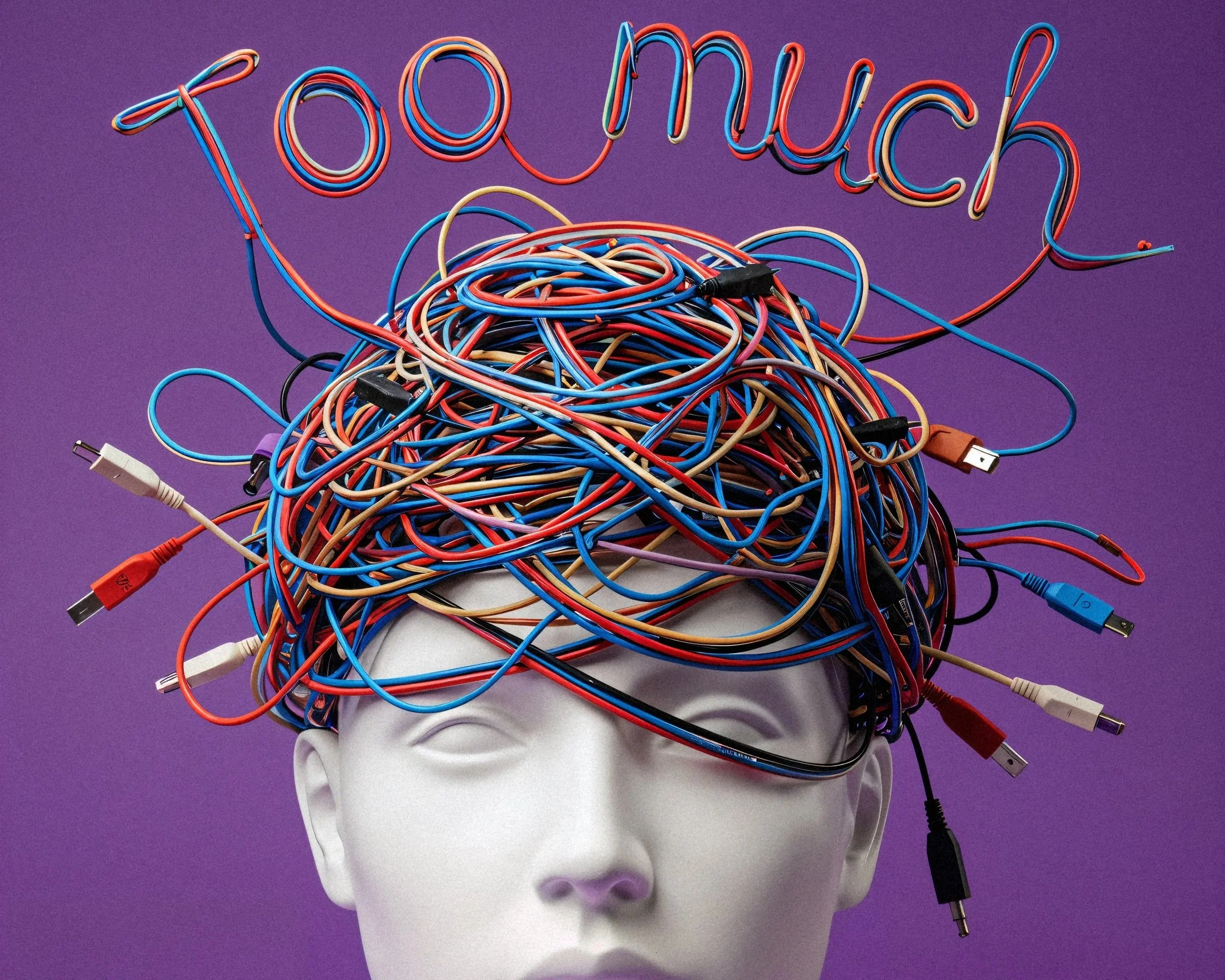
Why anxiety can persist even when life feels “fine”
Many people are surprised to experience anxiety during periods when nothing appears wrong. This is because nervous system overload is not always linked to current circumstances.
If the system has adapted to prolonged stress, it may continue to signal danger out of habit. This can create anxiety without a clear trigger, which is often confusing and frustrating.
The impact of prolonged nervous system activation
When the nervous system remains activated for too long, recovery processes are compromised. Sleep may become lighter, muscles remain tense, and energy levels fluctuate.
Over time, this can affect mood, resilience, focus, and physical recovery, reinforcing the cycle of anxiety and overload.

Supporting nervous system regulation
Supporting recovery from anxiety involves helping the nervous system regain flexibility. This means improving the body’s ability to move between alertness and relaxation, rather than remaining stuck in one state.
When regulation improves, people often notice calmer thoughts, deeper rest, reduced physical tension, and greater emotional resilience.
What you gain from a consultation
A consultation is a structured conversation designed to understand how anxiety and nervous system overload are showing up in your body and what may be limiting recovery. We start by listening carefully to your experience, stress load, sleep patterns, and how your system responds day to day.
From there, we help make sense of what’s happening physiologically and identify the key factors keeping your nervous system in a heightened state. The aim is to create a clear, practical way forward that supports regulation and helps you feel calmer and more resilient over time.
Clients often say the most valuable part of the consultation is understanding why their anxiety feels the way it does and having a sensible plan that genuinely helps them feel better.
20 minutes. Personalised. Expert-led.
