
Chronic Stress & Burnout
Why your body isn’t recovering properly
Even when you’re doing everything right…
You’re eating well. Training consistently. Trying to switch off.
But your energy is still low. Recovery feels slower than it should. And something doesn’t feel right.
There is usually a specific reason your body isn’t recovering properly — and it can be identified.
The most effective way to understand it is to assess what’s happening in your body directly.
Designed to identify what’s actually driving how you feel.
20 minutes. In-clinic. Personalised. Expert-led.

What is chronic stress?
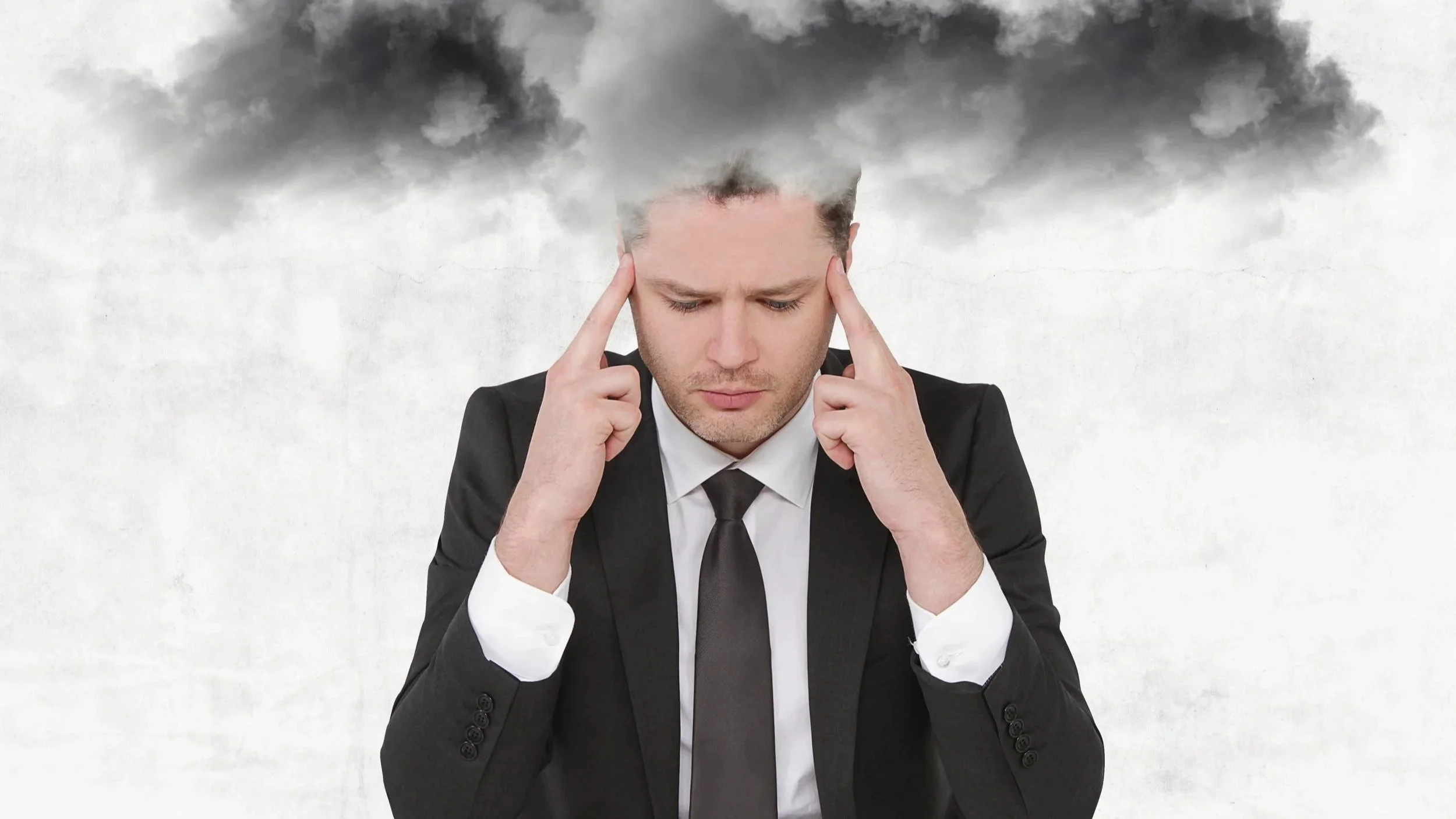
Chronic stress isn’t always obvious.
It builds quietly in the background until your body stops recovering properly
This ongoing activation affects hormones, sleep regulation, immune function, and energy production. Over time, it can reduce resilience and impair the body’s ability to repair and restore itself effectively.
How stress turns into burnout
When stress persists without sufficient recovery, the body begins to conserve energy and reduce output. This is often experienced as burnout.
Burnout is not simply feeling tired. It commonly includes mental fatigue, reduced motivation, poor concentration, emotional flatness, and a sense that even rest no longer restores energy. Pushing harder at this stage often deepens the problem rather than resolving it.
Why most people stay stuck
They try to manage it. Rest more. Train differently. Eat cleaner.
But nothing fully improves. Because they don’t understand what’s actually driving it.
And this is the difference
Once you identify what’s limiting your recovery:
Energy becomes more consistent
Sleep improves
Recovery starts working again
Designed to identify what’s actually driving how you feel.
20 minutes. In-clinic. Personalised. Expert-led.
Why rest alone is often not enough
While time off and sleep are important, they do not always fully reset the stress response once it has become chronic. If circulation, oxygen delivery, and nervous system regulation remain impaired, the body may stay in a reactive state even during rest.
This is why many people return from breaks still feeling fragile, overstimulated, or easily overwhelmed. Recovery requires more than stopping activity. It requires helping the body shift out of survival mode.
Supporting recovery from chronic stress
Effective recovery focuses on restoring balance across multiple systems, particularly the nervous system and recovery pathways that have been suppressed under prolonged stress.
By supporting circulation, relaxation responses, and cellular repair processes, the body can begin to regain flexibility, resilience, and energy capacity.

How we approach stress and burnout
Our approach starts with understanding how stress is showing up in your body and what may be limiting recovery. We look at nervous system load, sleep quality, energy patterns, and lifestyle pressures together, rather than in isolation.
This allows us to support recovery in a way that is structured, realistic, and appropriate to your current capacity.
If this has been building for a while…
It rarely fixes itself.
Because the issue isn’t effort, it’s understanding what your body actually needs.
The next step is to understand what’s actually driving it. Then follow a plan built around your body.
Most people leave it here. They recognise it — but don’t act.
Designed to identify what’s actually driving how you feel.
20 minutes. In-clinic. Personalised. Expert-led.
