Acne & Rosacea
WHY SKIN FLARE-UPS OFTEN REFLECT DEEPER IMBALANCE
Acne and rosacea are often treated as surface-level skin problems, managed with topical products or short-term fixes. While these approaches can help temporarily, many people find that flare-ups return, shift, or worsen over time.
This is because skin is not isolated. It reflects what is happening internally, including inflammation levels, circulation, nervous system activity, and how effectively the body recovers and clears metabolic stress.
Understanding acne and rosacea through this wider lens helps explain why symptoms can persist despite good skincare routines and why lasting improvement often requires addressing more than the skin itself.

20 minutes. Personalised. Expert-led.
What are acne and rosacea?
Acne and rosacea are inflammatory skin conditions that affect how the skin responds to internal and external stressors.
Acne commonly involves blocked pores, excess oil production, and inflammatory responses within the skin. Rosacea is characterised by facial redness, flushing, sensitivity, and sometimes visible blood vessels or inflammatory bumps.
While they appear different on the surface, both conditions are strongly influenced by inflammation, circulation, immune response, and nervous system activity.
Why flare-ups often persist
Many people are surprised to find that acne or rosacea continues despite careful skincare, dietary changes, or prescribed treatments. This is often because the underlying drivers remain active.
Common contributors include:
Impaired circulation and oxygen delivery to the skin
Reduced lymphatic clearance of inflammatory by-products
Hormonal and stress-related fluctuations
When these factors are present, the skin may remain in a reactive state, making flare-ups more likely and recovery slower.
Acne and rosacea are not simply surface skin issues. They are often the visible expression of deeper inflammation, immune sensitivity, and nervous system dysregulation. Understanding what’s happening beneath the skin helps explain why flare-ups persist, even with good skincare.
The role of stress and the nervous system
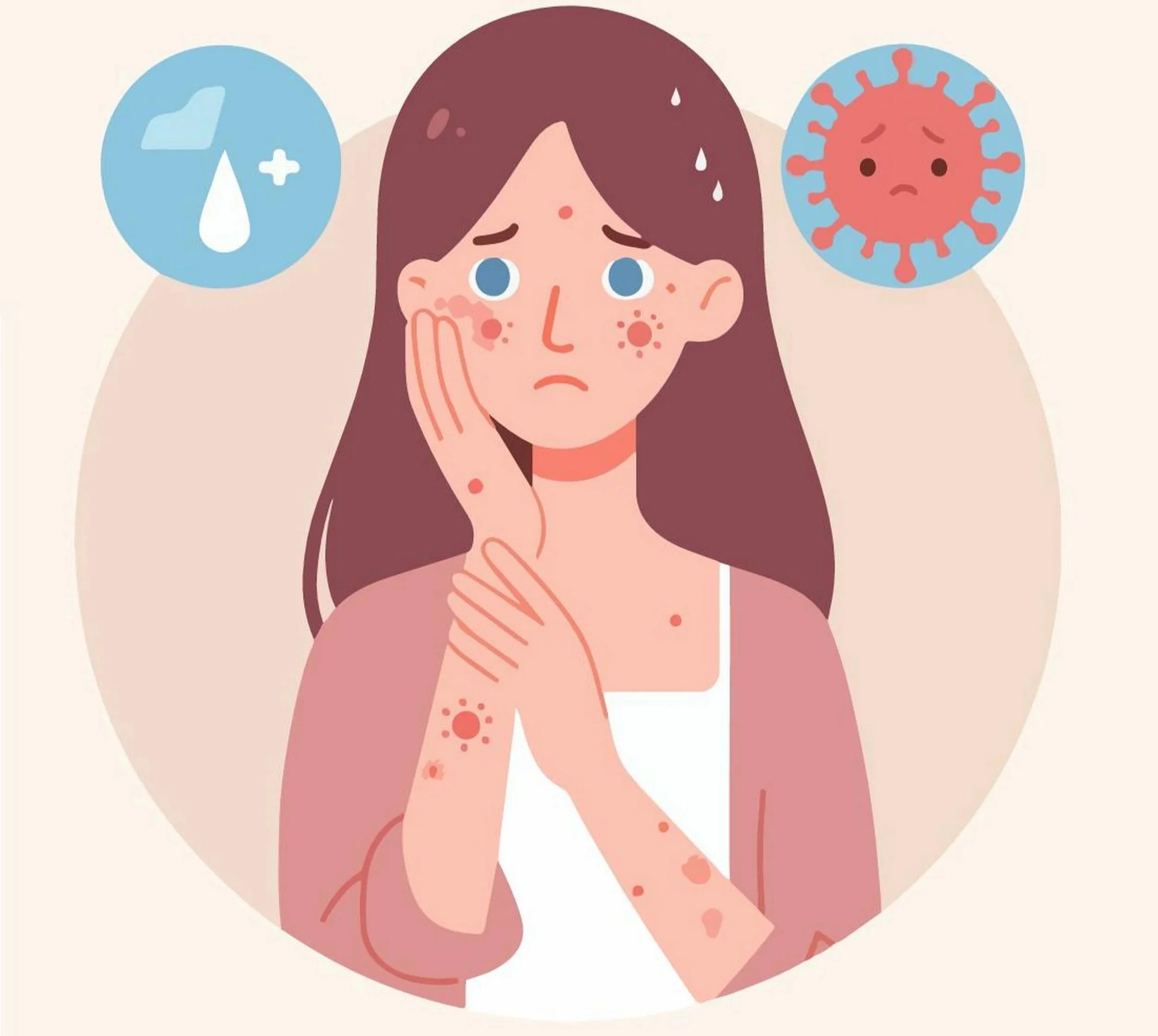
The skin is highly responsive to the nervous system. When the body remains in a heightened stress state, blood flow patterns can change, inflammatory signals increase, and skin sensitivity rises.
This helps explain why acne and rosacea often worsen during periods of stress, poor sleep, hormonal shifts, or emotional pressure. Even when skincare remains consistent, internal signals can override surface treatments.
Supporting calmer nervous system regulation is often a key part of helping the skin recover and stabilise.
Why surface-only approaches often fall short
Because acne and rosacea are influenced by internal inflammation, circulation, and nervous system signalling, surface treatments alone may not be enough. Topical products can reduce symptoms temporarily, but they do not always address what is driving reactivity beneath the skin.
When underlying stress, recovery capacity, or inflammatory load remain unaddressed, flare-ups often return or shift rather than fully resolve. This can leave people feeling stuck in cycles of improvement and relapse, even when they are doing everything “right.”
Lasting improvement often requires supporting the body systems that regulate inflammation, circulation, and recovery beneath the skin.
Why recovery and circulation matter for skin
When the skin is stuck in a constant state of inflammation, simply treating the surface rarely leads to lasting change. Improving circulation, supporting lymphatic drainage, and calming the nervous system allows the skin to repair itself more effectively. This is especially important for inflammatory skin conditions like rosacea, where stress and immune sensitivity can keep flare-ups active.
For rosacea in particular, improving blood flow regulation and reducing inflammatory signalling can help calm redness, flushing, and sensitivity over time.
Skin health depends on effective circulation and recovery. Blood flow delivers oxygen and nutrients needed for repair, while the lymphatic system helps remove inflammatory waste.
When recovery is incomplete, inflammatory by-products can linger, increasing redness, congestion, and sensitivity. Over time, the skin may remain reactive even when surface triggers are controlled.
Improving the body’s ability to recover and clear inflammatory load often supports more stable, resilient skin.
What you gain from a consultation
A consultation is a structured conversation designed to understand how acne or rosacea is showing up in your body and what may be preventing the skin from settling.
We explore symptom patterns, stress levels, sleep quality, lifestyle factors, and recovery capacity. From there, we translate that information into a clear, practical plan focused on supporting skin balance from the inside out.
Clients often say the most valuable part is understanding why flare-ups occur and having a sensible way forward that helps the skin feel calmer, stronger, and more predictable.
Ready to understand your skin more clearly?
If acne or rosacea is affecting your confidence or comfort, start with a consultation. We will help you understand what may be driving flare-ups and what to do next, without pressure or obligation.
20 minutes. Personalised. Expert-led.
Frequently Asked Questions
-
Facial puffiness is rarely caused by skincare alone. It is more often linked to sluggish lymphatic drainage, low-grade inflammation, or a stressed nervous system that keeps the skin in a reactive state. Addressing these underlying drivers is where lasting change tends to come from. Book a consultation to understand what might be affecting your skin.
-
Yes. Cold temperatures cause blood vessels to constrict and then dilate, which stimulates circulation and encourages oxygen-rich blood to reach the skin surface. This can help calm redness and improve overall skin tone over time. Learn more on our Cryofacial page.
-
A Cryofacial uses controlled cold to reduce inflammation and calm reactive skin at a physiological level rather than just masking symptoms. For conditions like rosacea, this can help reduce flushing, sensitivity and visible redness with consistent treatment. Book your Cryofacial here.
-
Very different. Traditional facials work primarily through products and massage at the skin surface. A Cryofacial uses cold to trigger a physiological response - improving vascular tone, reducing inflammation and stimulating collagen - making it particularly effective for reactive or inflamed skin. Find out more on our Cryofacial page.
-
For acne and rosacea, combining a Cryofacial with lymphatic drainage can significantly improve results. The lymphatic drainage helps clear inflammatory waste and reduce congestion, while the Cryofacial calms the skin and improves circulation. Visit our Lymphatic Drainage page to learn more.
