
Weight Loss Resistance
When effort stays high but results slow, stall, or never quite arrive.
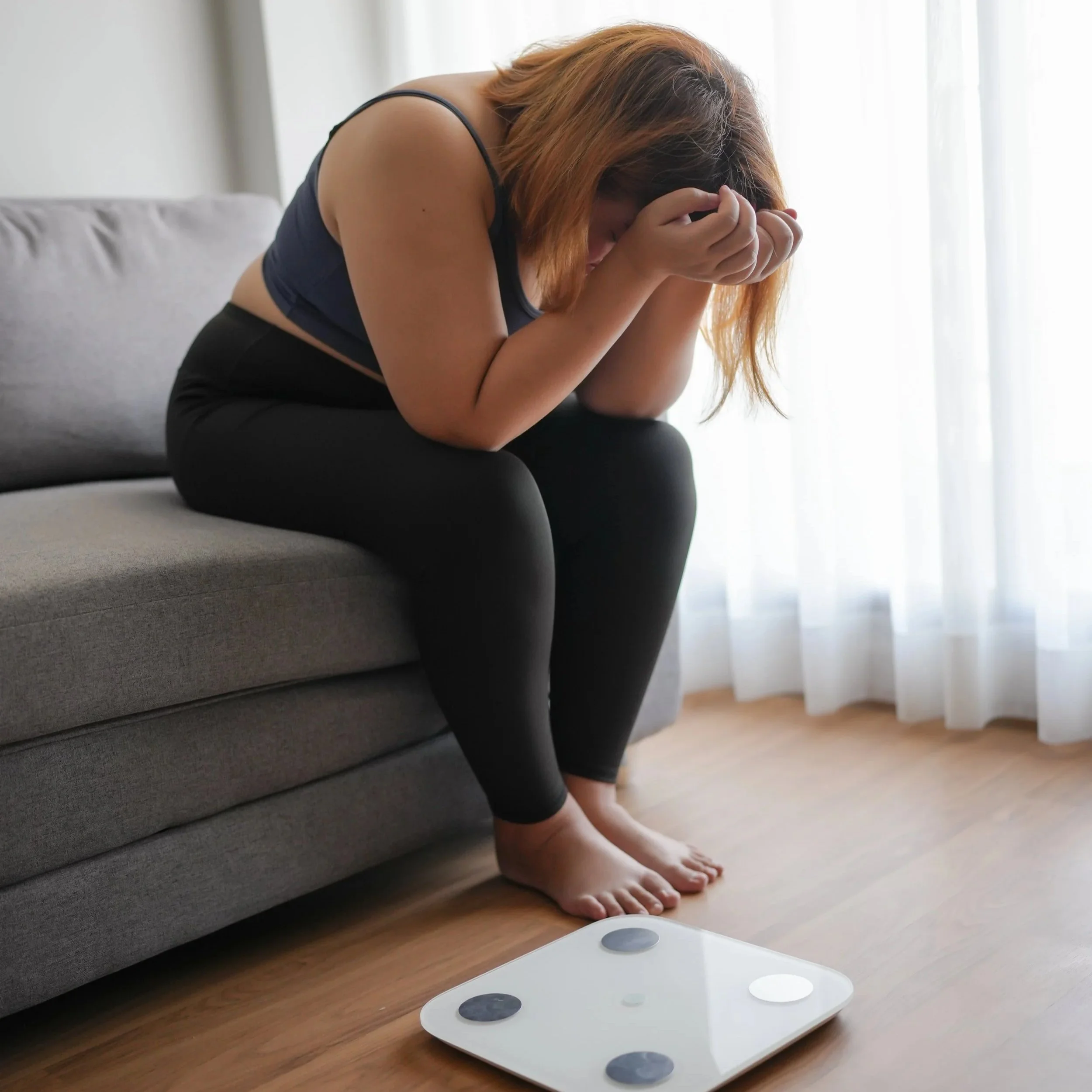
Many people find that weight loss becomes harder over time. What once worked may no longer deliver the same results, even with consistent effort, careful eating, and regular exercise. Progress slows, plateaus persist, or weight returns easily after initial loss.
This experience is often described as weight loss resistance. It is not a lack of discipline or willpower. In most cases, it reflects how the body adapts when metabolic, hormonal, and recovery systems are under prolonged strain.
20 minutes. Personalised. Expert-led.
What is weight loss resistance?
Weight loss resistance refers to a state where the body resists further fat loss despite appropriate nutrition and activity, often as a result of metabolic adaptation and prolonged physiological stress.
This response is often driven by changes in metabolism, hormones, inflammation, and nervous system activity. From the body’s perspective, resistance is a protective mechanism rather than a failure.
Why the body resists weight loss
As body weight decreases, the resting metabolic rate often falls too, meaning the body burns fewer calories at rest — a common metabolic adaptation that slows further fat loss.
When the body experiences prolonged stress, under-recovery, repeated dieting, inflammation, or disrupted sleep, it may shift into conservation mode. This can reduce metabolic flexibility and make fat loss increasingly difficult.
Factors that commonly contribute include:
Chronic stress and elevated cortisol
Inflammation and impaired recovery
Hormonal disruption
Reduced metabolic efficiency over time
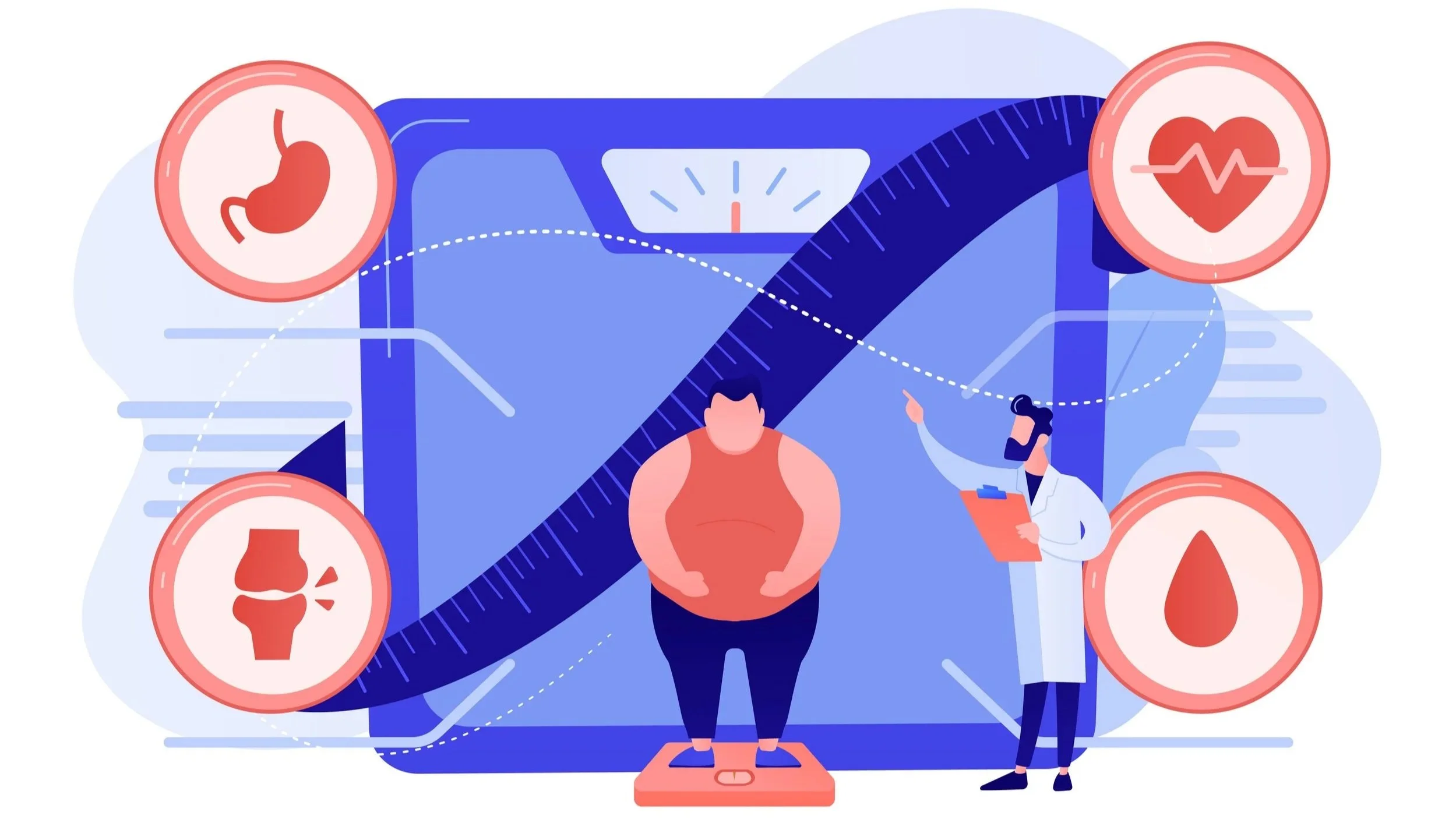
Weight loss resistance is often the result of multiple overlapping factors, not a single cause.
Why more effort doesn’t always help
When weight loss resistance is present, increasing effort through stricter dieting or more intense training can sometimes make the problem worse. This may increase stress signals, suppress recovery, and further reinforce conservation responses.
Many people experience cycles of effort, frustration, and burnout, without realising that the body may need support rather than pressure.
When the body perceives ongoing stress or under-recovery, additional restriction or training can reinforce conservation responses rather than unlocking further fat loss.
The wider impact of weight loss resistance
Beyond physical changes, prolonged resistance can affect confidence, motivation, and trust in the body. People may feel disconnected from hunger cues, fatigued by constant effort, or unsure what to try next.
Understanding why resistance occurs can be a turning point, helping people move away from blame and toward a more sustainable approach.

Supporting metabolic balance
Addressing weight loss resistance often involves supporting the systems that influence metabolism, recovery, and regulation. When stress load reduces, sleep improves, inflammation settles, and metabolic flexibility returns, the body may become more responsive again.
This process is typically gradual and cumulative rather than rapid or extreme.
Supporting metabolic balance often means reducing stress signals, improving recovery, and restoring the conditions that allow the body to feel safe enough to release stored energy rather than conserve it.
What you gain from a consultation
A consultation is a structured conversation designed to understand why weight loss may feel resistant and what factors could be influencing your body’s response. We start by listening carefully to your history, lifestyle, recovery patterns, and how your body has responded to previous efforts.
From there, we help make sense of what’s happening physiologically and identify the key factors contributing to resistance. The aim is to create a clear, practical way forward that supports metabolic balance and helps progress feel achievable again.
Clients often say the most valuable part of the consultation is finally understanding why progress has stalled and having a sensible plan that feels supportive rather than punishing.
20 minutes. Personalised. Expert-led.
Frequently Asked Questions
-
Stubborn fat in areas like the abdomen, thighs and arms is often resistant to diet and exercise due to a higher concentration of fat cells that respond poorly to calorie deficit. Factors like inflammation, hormones and circulation all play a role. A CryoSlimming assessment can help identify the right approach for your body.
-
The abdomen, inner thighs, flanks and upper arms tend to be the most stubborn areas. These zones often need targeted support beyond lifestyle changes alone. Book a consultation to discuss your specific concerns.
-
Yes, when carried out by trained professionals. CryoSlimming uses controlled cooling to target fat cells without surgery or downtime. Find out more on our CryoSlimming page.
-
Cold therapy works by cooling fat cells to a temperature that causes them to break down naturally, while leaving surrounding tissue unaffected. This supports gradual, natural body contouring. Learn more on our CryoSlimming page.
-
Yes - we always recommend starting with a CryoSlimming assessment so we can understand your goals and recommend the right number of sessions and combination of treatments for your body.
