Injury Recovery
When recovery stalls and your body doesn’t feel ready to move on
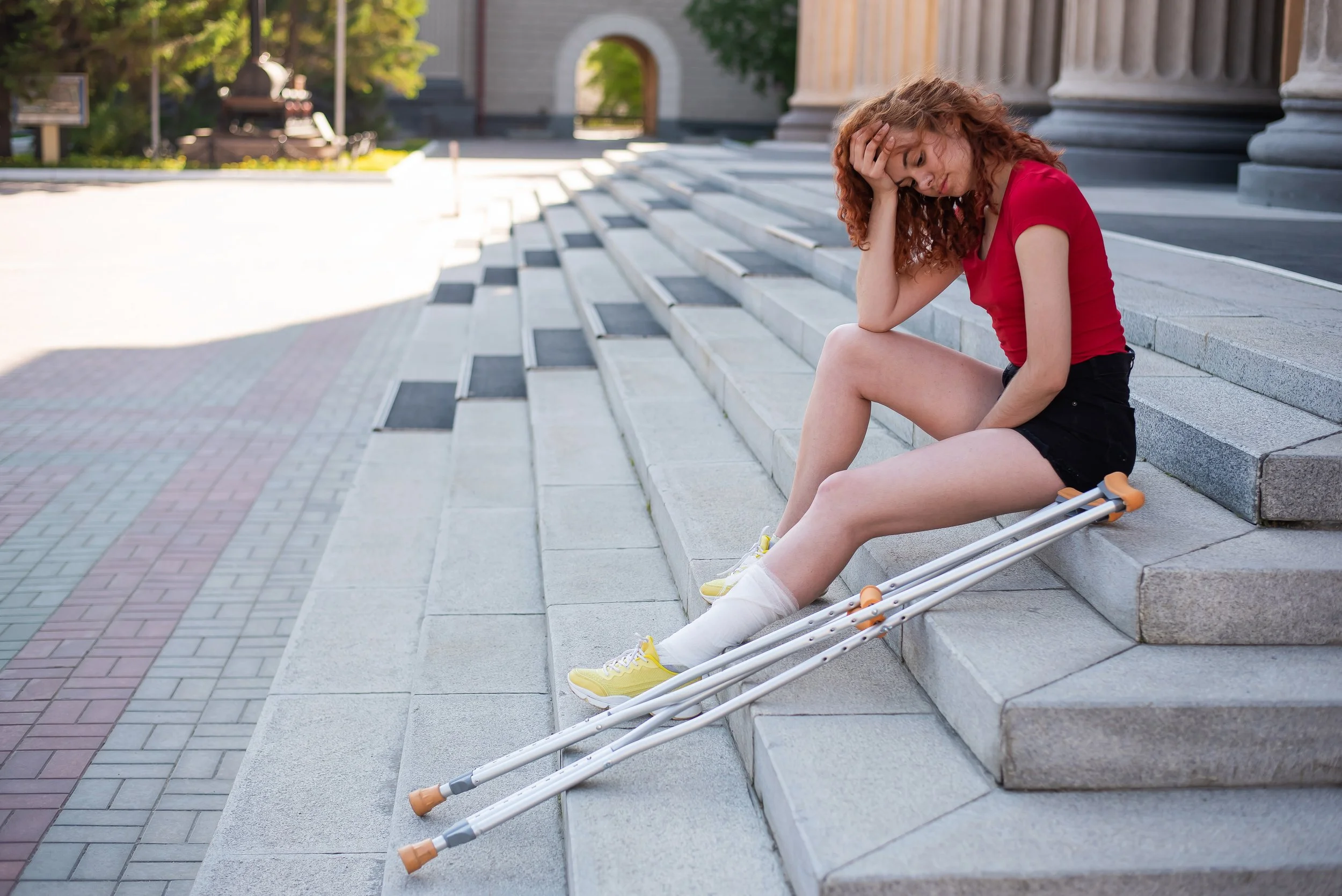
Recovering from an injury is rarely as straightforward as expected. While the initial pain may settle, many people are left feeling that something isn’t quite right. Movement feels cautious, strength hasn’t fully returned, or discomfort lingers longer than it should. This is especially frustrating when you have followed advice, rested appropriately, and expected your body to bounce back.
In many cases, the issue is not the injury itself, but how the body is recovering afterwards. Without the right conditions to support tissue repair and resolution of inflammation, recovery can slow or plateau, leaving you stuck between injury and full function.
20 minutes. Personalised. Expert-led.
Does this sound familiar?
Injury recovery problems often show up subtly, and are frequently dismissed as something you simply need to “give more time.”
Ongoing stiffness or tightness around the injured area
A sense of weakness or instability despite healing time
Discomfort that returns when you increase activity
Reduced confidence moving, training, or loading the area
Swelling or heaviness that lingers longer than expected
Feeling cautious or guarded with movement, even weeks later
Understanding what’s happening beneath the surface
When an injury occurs, the body initiates a complex repair process involving inflammation, circulation, nervous system signalling, and tissue regeneration. In the early stages, inflammation plays an important role by protecting the area and triggering healing responses.
Problems arise when this process does not resolve as expected. Instead of transitioning smoothly from repair to restoration, inflammation can linger, circulation may remain suboptimal, and the nervous system can continue to treat the area as vulnerable. This combination can leave tissues under-supported and movement patterns guarded, even when structural healing has largely taken place.
Over time, this creates a mismatch between what looks healed on paper and how the body actually feels and performs.

Why injury recovery often slows or plateaus
In modern life, recovery rarely happens in ideal conditions. While the body initiates a repair response after injury, that process depends on adequate rest, circulation, and nervous system regulation to complete fully.
Ongoing stress, limited recovery time, sedentary routines, or a premature return to activity can interrupt this progression. Blood flow and oxygen delivery may remain suboptimal, lymphatic clearance can be inefficient, and the nervous system may continue to treat the area as vulnerable rather than restored.
When these factors overlap, recovery can slow or plateau, leaving the body caught between healing and full function.
Why time alone doesn’t always fix it
Rest and time are essential early on, but they are not always sufficient to restore confidence, resilience, and ease of movement. If inflammation resolution, circulation, and nervous system signalling are not adequately supported, the body may adapt around the injury rather than fully recover from it.
This often shows up as compensations, recurring flare-ups, or a persistent sense of caution with movement. Many people assume this is simply how recovery feels, when in reality it often reflects an incomplete recovery process rather than a permanent limitation.
Understanding these underlying dynamics is a crucial step toward moving forward safely and sustainably.
How we approach injury recovery at LondonCryo
At LondonCryo, we approach injury recovery by first understanding where someone is in their recovery journey, rather than assuming a one-size-fits-all solution. Recovery looks very different in the early stages compared to weeks or months later, and the body’s needs change as healing progresses.
Our focus is on identifying the factors that may be slowing recovery, such as unresolved inflammation, reduced circulation, nervous system tension, or recovery gaps created by modern lifestyles. By looking at recovery as a system rather than a single issue, we aim to support the body’s ability to complete the recovery process more effectively.
This approach prioritises insight, personalisation, and long-term resilience over short-term fixes, helping people move forward with greater confidence and clarity.

What you gain from a consultation
An injury does not exist in isolation, and recovery rarely follows a straight line. A consultation is designed to help you understand where you are in your recovery journey and what may be influencing how your body is responding.
Rather than focusing on symptoms alone, the conversation looks at factors such as inflammation resolution, circulation, nervous system load, recovery habits, and how your body has adapted since the injury. The goal is clarity, not commitment, and insight rather than assumptions.
This allows next steps to be considered with confidence, based on your individual situation rather than a generic approach.
What happens in the consultation
We start by understanding your injury history, recovery timeline, and current symptoms
We explore factors that may be influencing how your recovery is progressing
We discuss how your body is responding and where support may be helpful
We outline clear, considered next steps tailored to you
Many people come to LondonCryo feeling unsure why their recovery hasn’t progressed as expected. Taking time to properly understand what’s going on often brings relief, reassurance, and a clearer sense of direction.
Ready to understand your recovery properly?
If your injury recovery feels incomplete or uncertain, a consultation can help you make sense of what’s happening and decide how to move forward with confidence.
20 minutes. Personalised. Expert-led.
