
Cellulite & Loose Skin
Understanding why skin texture and firmness change and what helps the body adapt more smoothly.
Changes in skin texture and firmness are common at many stages of life. Cellulite and loose skin can appear or become more noticeable with weight change, ageing, hormonal shifts, pregnancy, or periods of reduced activity and recovery.
These changes are not a sign of poor health or failure. They reflect how skin, connective tissue, circulation, and underlying structures respond to stress, time, and changes in body composition.
20 minutes. Personalised. Expert-led.
What are cellulite and loose skin?
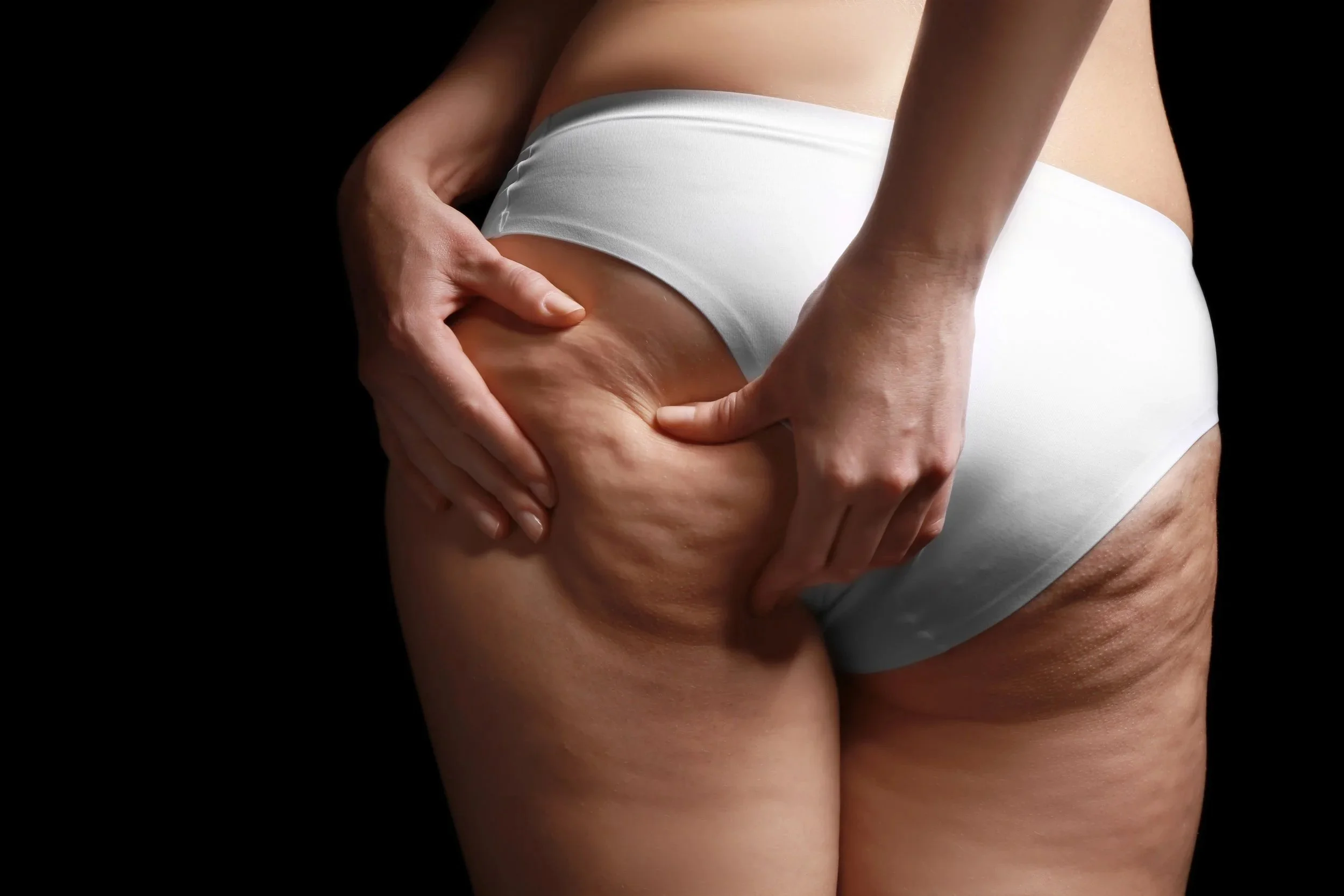
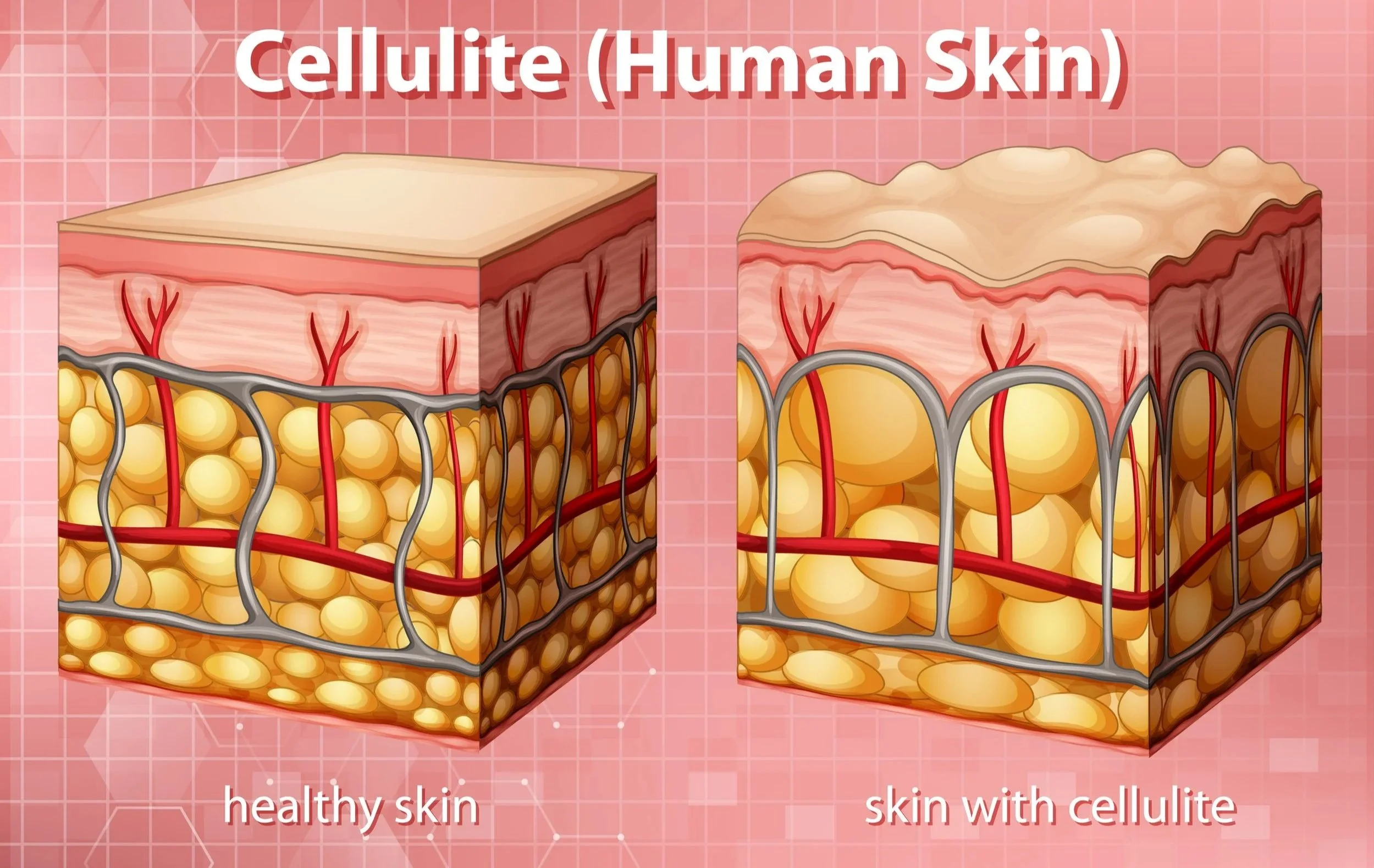
Cellulite refers to a dimpled or uneven appearance of the skin caused by the way fat, connective tissue, and skin interact beneath the surface. Loose skin, sometimes referred to clinically as skin laxity, occurs when the skin loses elasticity and firmness and no longer adapts smoothly to changes in body shape.
Both are influenced by connective tissue structure, circulation, lymphatic flow, collagen support, and how well the skin is nourished and stimulated over time.
Why these changes occur
Cellulite and loose skin develop for different reasons, but they often overlap. Common contributing factors include:
Reduced circulation and lymphatic flow
Changes in connective tissue structure
Hormonal influences
When these factors combine, the skin may appear less smooth or less firm, even when overall health habits are good.
Why cellulite and loose skin often persist
Once these changes appear, they can be slow to improve on their own. Limited circulation, inefficient lymphatic drainage, and reduced tissue stimulation may prevent the skin from adapting as the body changes.
This is why exercise, weight change, or time alone does not always lead to visible improvement in skin texture or firmness.
The emotional impact of skin changes
Although cellulite and loose skin are common, they can affect confidence and comfort in the body. Many people feel frustrated when they are otherwise healthy but still unhappy with how their skin looks or feels.
Understanding why these changes occur can help remove self-blame and shift the focus toward supportive, sustainable improvement.

Supporting skin adaptation and firmness
Skin responds best when circulation, lymphatic flow, and connective tissue support are addressed together. When these systems are supported consistently, the skin is often better able to adapt to changes in shape, volume, and composition.
Improvement is usually gradual, focusing on supporting the skin’s natural responsiveness rather than forcing rapid change.
While genetics and body composition influence how the skin appears, skin texture and firmness also respond to how the body supports circulation, tissue metabolism, and connective tissue stimulation. When the skin’s structural framework and underlying support systems are reinforced over time, the skin often appears smoother and firmer, and changes in shape feel more integrated with how the body functions. This kind of adaptation is a gradual process, and targeted support can help create the conditions in which the skin responds more reliably to the body’s natural signals.
What you gain from a consultation
A consultation is a structured conversation designed to understand what may be contributing to changes in skin texture and firmness. We start by listening carefully to your history, body changes, lifestyle, and how your skin has responded over time.
From there, we help make sense of what’s happening physiologically and identify the key factors influencing skin adaptation. The aim is to create a clear, practical way forward that supports skin health, confidence, and comfort in the body.
Clients often say the most valuable part of the consultation is understanding why their skin has changed and having a sensible plan that feels realistic and supportive.
20 minutes. Personalised. Expert-led.
Frequently Asked Questions
-
Cellulite and localised fat often have more to do with how connective tissue is structured beneath the skin than with overall body fat percentage. This is why people who exercise regularly can still have visible cellulite. Targeted treatment like a CryoSlimming assessment can help address what exercise alone cannot.
-
The outer thighs, inner knees and lower abdomen tend to be the most resistant areas for women in particular, largely due to hormonal influences on fat distribution and connective tissue density. Book a consultation to talk through which areas are most affecting you.
-
Absolutely. Treatments like CryoSlimming work by using precise temperature changes to break down fat cells gradually, with no needles, no anaesthesia and no recovery time needed. Find out more on our CryoSlimming page.
-
Beyond targeting fat cells, cold therapy encourages the skin to produce more collagen over time, which can visibly reduce the dimpled appearance of cellulite and improve overall skin firmness. This makes it particularly effective for loose skin as well as fat. Find out more on our CryoSlimming page.
-
For anyone concerned about cellulite or loose skin, the assessment is the ideal starting point. It gives you a realistic picture of what's achievable and how many sessions would be needed for your specific areas. Book your CryoSlimming assessment here.
